What Does an Elite Mentality Actually Mean?


We see so many elite athletes these days, talking about the mental side of sports. All over social media people say their mentality is just different.
But what does that actually mean?
I’ll admit that I am a little biased, but a soccer goalkeeper to me is by far the most mental position in sports.
The Unique Mental Demands of Goalkeeping
I can’t think of many other positions where you could go an entire game without meaningful participation and be called upon in the final minute of stoppage time to make a game defining play.
We have little, if no margin for error.
We must be excellent communicators, have a commanding presence, and make tactical and technical decisions in less than a second. All with the understanding that your mistakes will always make the highlight reel.
I could write an entire separate blog on the physical demands of goalkeeping and during those physically grueling moments our concentration and focus must always be at a high level.
We truly suffer for the sport we love, and in a weird way we all love it. At least from my perspective I love to suffer because in the suffering is growth and self discovery.
My Path to Professional Soccer
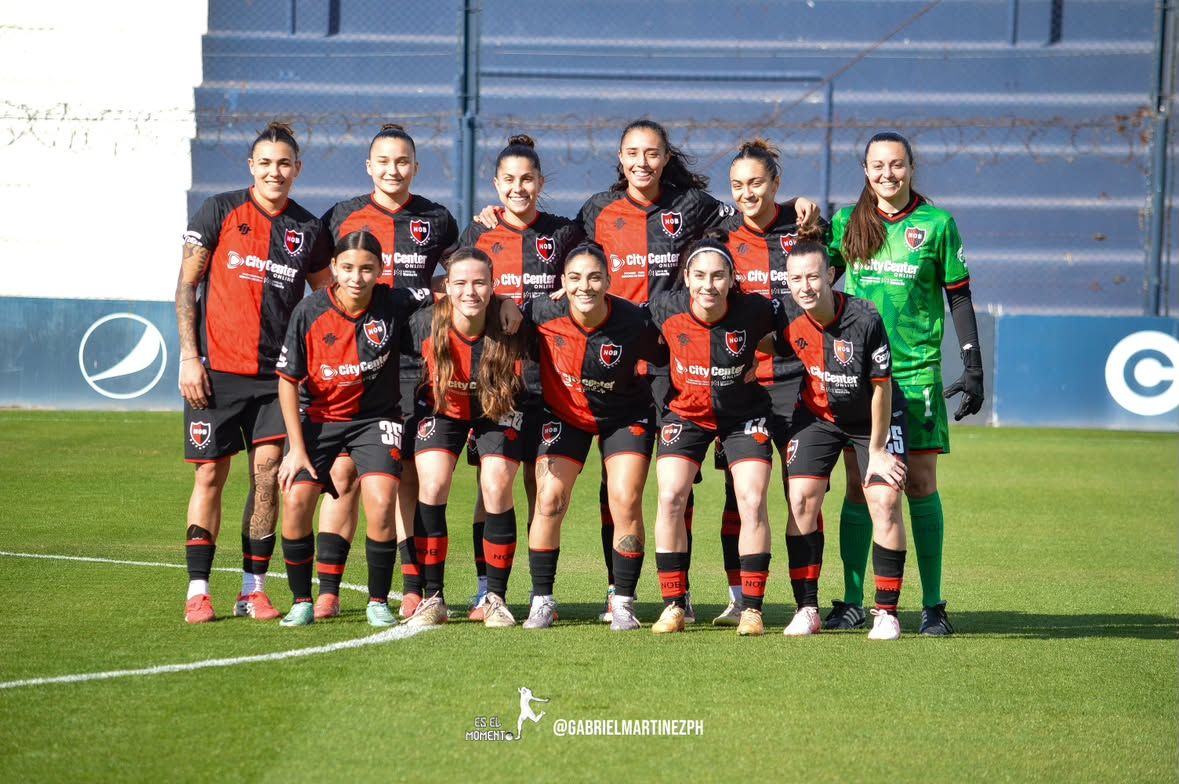
My path to professional soccer was anything but conventional.
I played 4 years of division 1 soccer at the University of New Hampshire, and at the end of my college career was encouraged by coaches to go overseas to play professionally.
However at the time due to a difficult personal and financial situation, I made the choice to accept a public accounting job and support my family rather than chase my dreams.
My accounting career has served me well. It helped me develop an understanding of what it means to be a professional, brought financial stability to myself and my family, and introduced me to life long friends, but I always felt unsatisfied.
While I continued to play semi-professionally, the dream of playing pro never really left me.
I finally made the decision to commit to pursuing the dream fully during COVID when I was 29 years old. I dropped 50 lbs, became fully plant-based, and left the US to begin my professional soccer journey.
It was the most difficult decision I ever made and by far the most rewarding.
Self-Belief Through Rejection
During my soccer career, the majority of the mentality coaching I received had been mostly focused on playing tough, being fearless, fighting through our perceived limitations, and recovering from mistakes.
Only one coach leading up to my professional career highlighted to me that the position would demand so much more of me than that.
I listened to his advice and genuinely tried to take it all in, but only when you live it for yourself do you finally understand.
Professional goalkeeping demands unrelenting self belief.
Before even stepping out on the field, hundreds of teams, agents, and coaches will tell you “no”, but the beauty of it is, all you need is one “yes”.
I spent years speaking to agents before someone believed in me enough to place me with my first club. I spent a year and a half as a training player before that contract finally came.
I had many tell me I was too old, that I might as well retire.
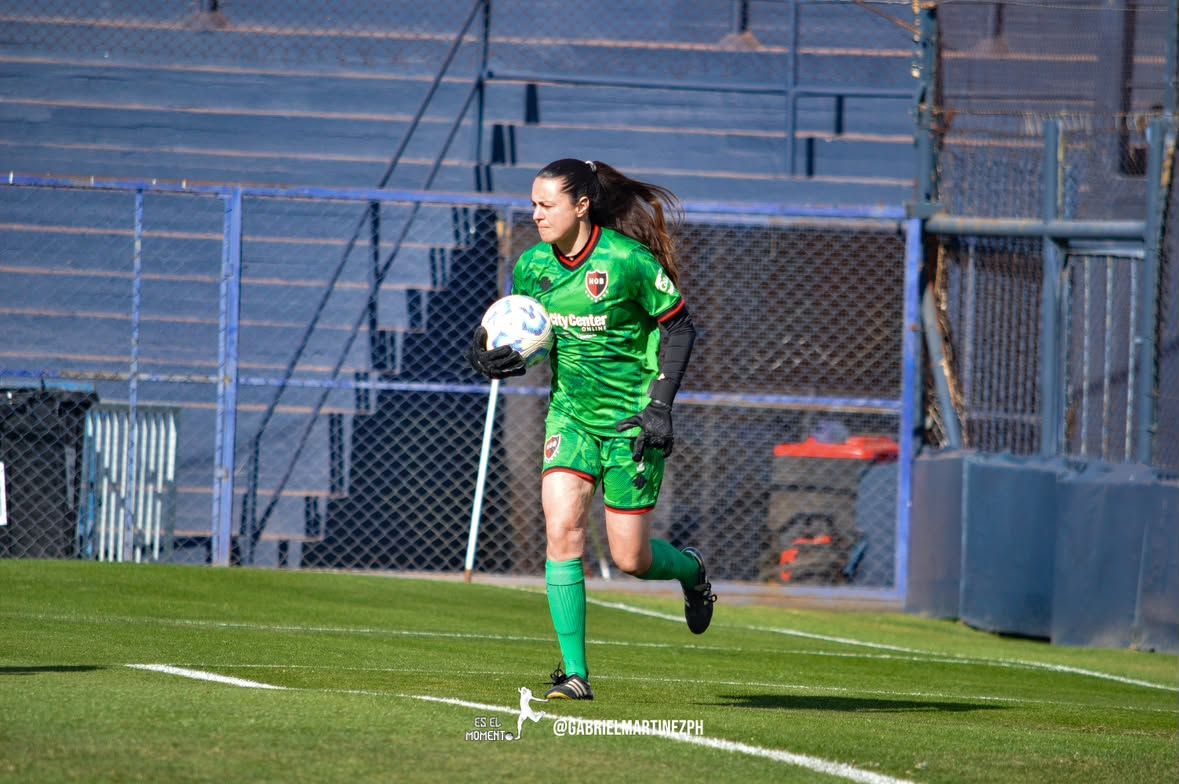
I’m now 33 years old, currently playing Primera Division in Argentina, and have played in 4 different countries.
When you are signed coaches, teammates, and fans will all criticize you. They have opinions on how you play and even the person that you are.
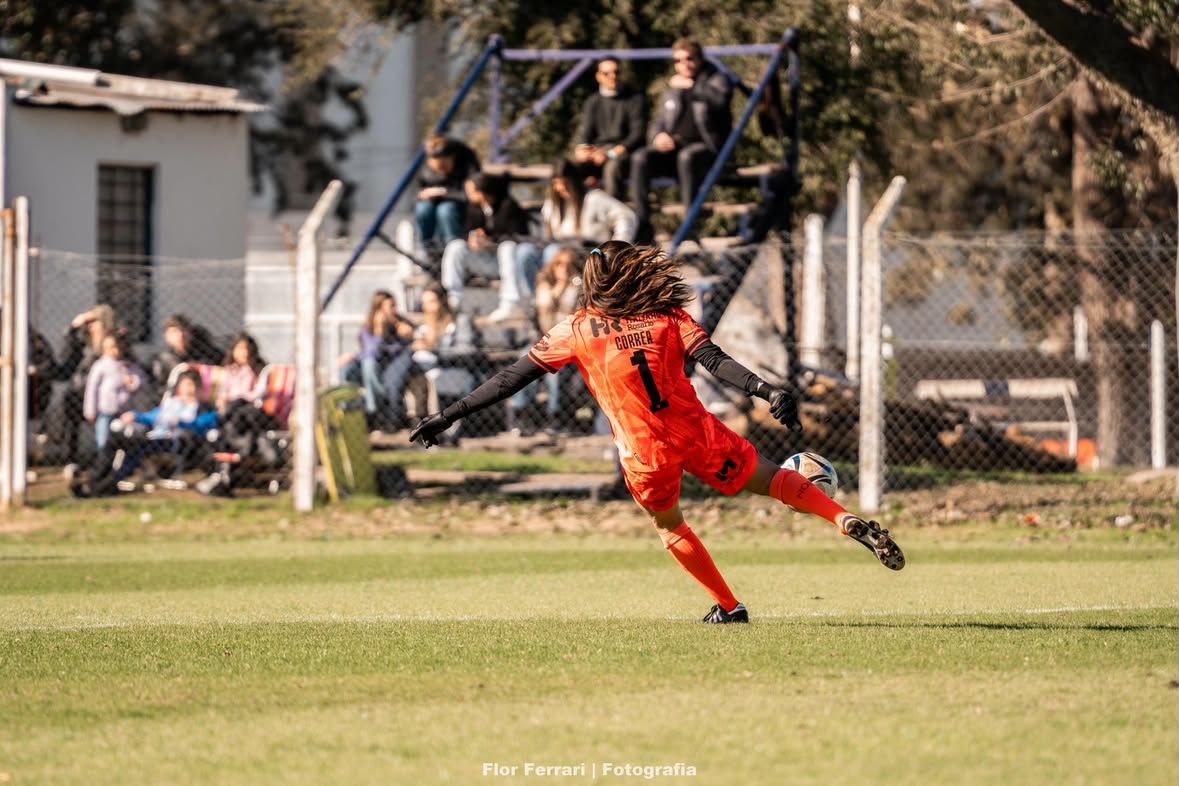
Goalkeeping requires you to define your identity, prove it to yourself every day, and believe in it when your name gets called on game day.
It will require you to reevaluate how you determine your self-worth. If your self-worth is defined by the number of shut outs in a season, you will very quickly be exposed.
It is a never ending pursuit.
You will never just arrive one day and be confident forever after. It is not just a trait some are innately born with. It is a conscious mental muscle you must train.
Your habits provide the evidence of your capabilities every day, and you show it both in the good moments and especially the difficult ones.
Do one thing that absolutely sucks every week, just to remind yourself you can. You’ll be surprised how quickly your confidence builds.
Staying Present and Controlling the Controllables
Goalkeeping demands that you stay present always.
We have a certain amount of impact on games, but very rarely do we win games for our team. Results are defined by a culmination of factors, many of which are out of our direct control.
If you play in a foreign country, you may be benched due to a limit of the number of foreign players that can be on the field at any given time. A team may not sign you because they may not want to invest money in a foreign goalkeeper.
You could play the game of your life and still somehow lose.
Goalkeeping requires us to focus on the process not just the result and will change your definition of success.
When we focus on what is in our control: our attitude, our effort, and getting 1% better every day, I have found that the results often times follow.
But even if they don’t, if I have done absolutely everything in my power to put myself in a position to succeed and the results don’t go my way, in a small way I can be at peace with that.
I will never be “happy” because I am insanely competitive (like will fight for every point in soccer tennis competitive), but I know I’ve done my part.
Learning to Stand Alone
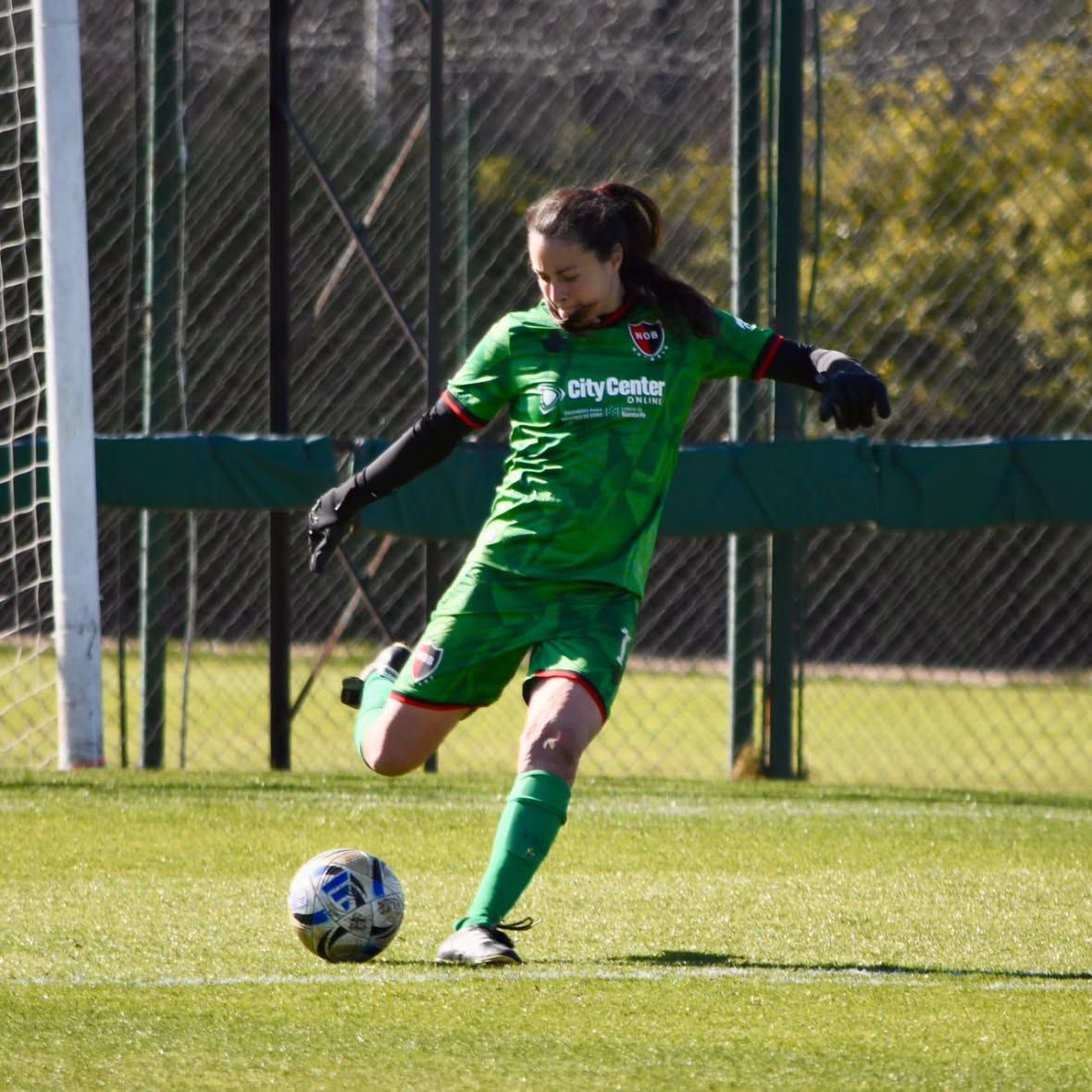
Goalkeeping will teach you that it is okay to be alone.
Playing abroad is an incredibly rewarding experience. Its helped me polish up my Spanish and become bilingual, its given me the opportunity to travel to new places, meet new people, and experience a number of different cultures.
But it can be a profoundly lonely experience.
It will require you to adapt to different languages, cultural and social norms, playing styles, and living situations.
You will often be misunderstood. You will definitely make mistakes. You might even be blamed when results don’t go your way.
You will be far from your friends and family, and unless they’ve played high level sports themselves they often won’t or won’t know how to support you.
You will miss important events.
You will often times feel frustrated attempting to make connections with people who were never meant to have a permanent place in your life.
Teammates will come and go. Coaches will change. And that is all part of it.
It teaches a different type of resilience and the capacity to be at home within yourself, because through the continuous uncertainty and change you are your only constant.
Using Perspective to Transform Difficult Moments
And lastly goalkeeping has taught me that perspective is everything.
A”no” from a coach is now motivation to prove them wrong, intelligent criticism shows me where I can sharpen up my game, errors are an opportunity to grow technically, and moments of deep loneliness are an opportunity to know and care for myself rather than depend upon external validation from others.
I actively work on these mental elements of the game every single day.
The position and the lifestyle demand it, and it has gifted me a life I wouldn’t change for anything.
Practical Ways to Train the Mind
Begin training your brain, as early and as often as possible.
These days I train mentally as much as physically.
The younger you start, the greater the opportunity with neuroplasticity to rewire your thought patterns and build the qualities that define elite goalkeepers and exceptional people.
To the extent you have the resources, work with a sports psychologist. Having an outside perspective and someone who can support you with tools to use on the field and challenge your negative thought loops off it is invaluable in professional sports.
To the extent you don’t, journaling is an great tool to help declutter your mind and reflect.
Whenever you can, surround yourself with people who challenge you to grow and support you.
Understand that the learning and mental training never stops no matter what level you get to, and I have found when you choose to lead with gratitude, empathy, and hard work one way or another you will always succeed.