
The Thrill, the Pain, and the Keeper’s Dilemma

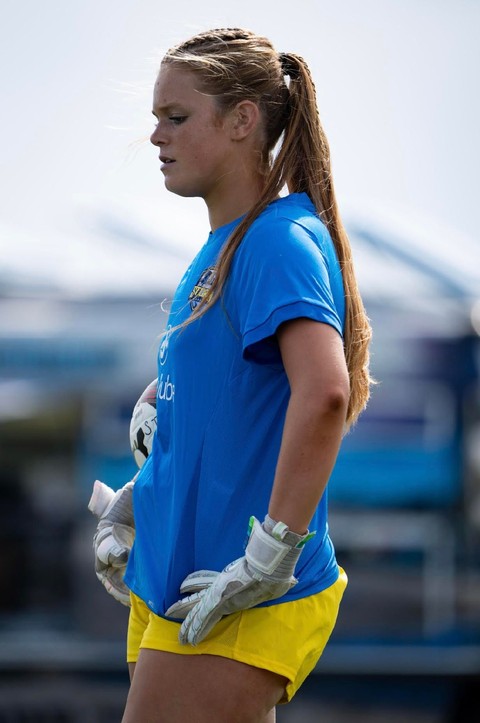
I’ve broken fingers, had bruises up and down my arms, legs, hips, and even my face. I’ve had a busted lip, cleat prints left on my skin, and grass, turf, and mud shoved into my eyes. But I won’t change what I do for anything. The absolute thrill of it just makes the whole thing worth it.
When you live between the posts, putting your body on the line just comes with the territory. Over time, you build a survival routine just to get through the season. My essentials? Loads of tape to wrap fingers, wrists, and elbows. Constant trips to c
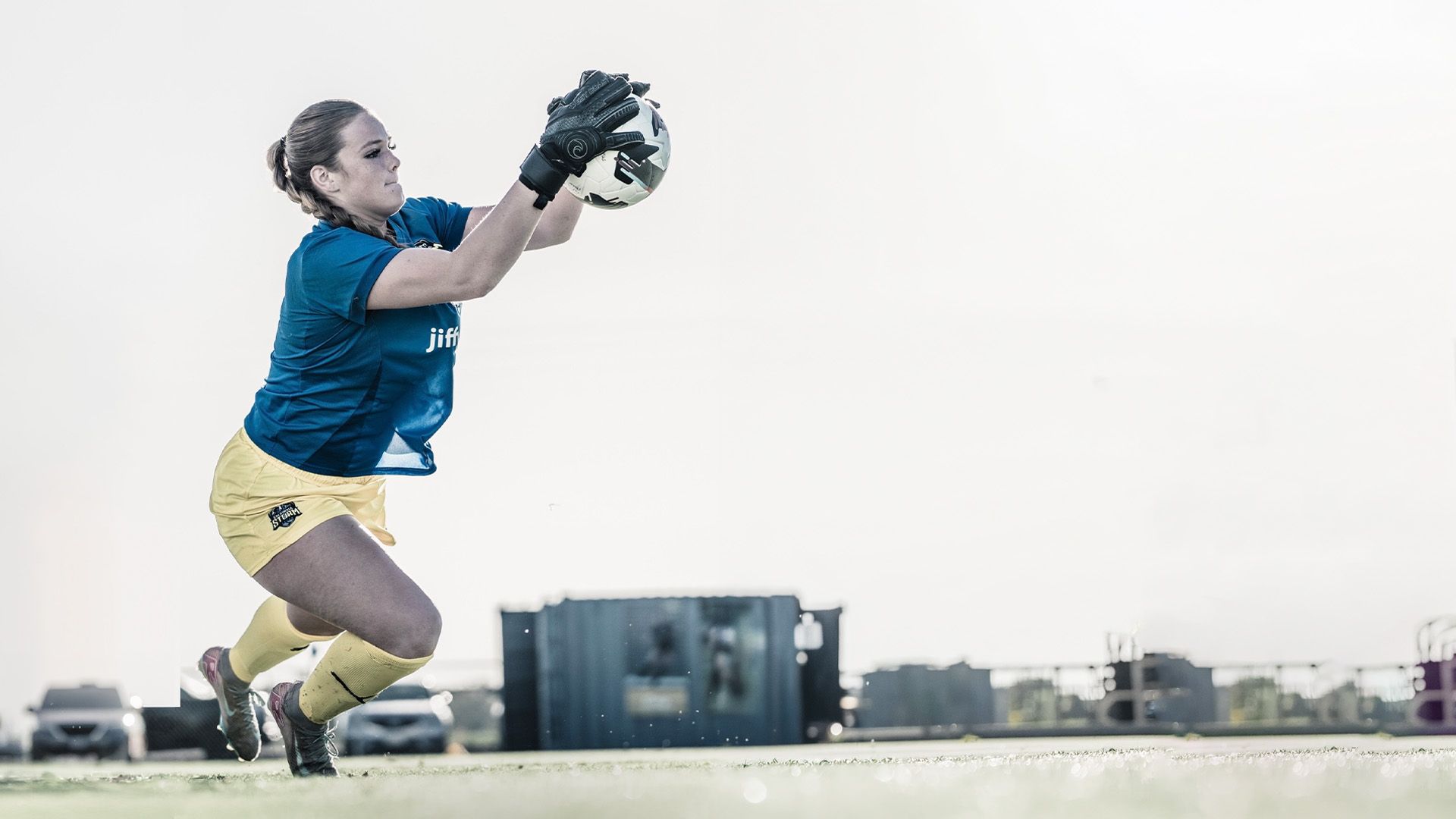
ryotherapy, ice baths, lidocaine patches, and endless tubes of Biofreeze.
But there’s one thing I don’t think a lot of people outside the position really get, is how brutal it is for a goalkeeper to actually admit they’re hurt during a match and walk off. The pressure we put on ourselves to see it through to the final whistle, for the team, the program, our coaches, it can be heavy. I always feel like a bit of a hypocrite when I talk about putting the person first over the athlete, because when it comes to my own physical injuries, I rarely follow my own advice.
I still remember an ECNL showcase where I broke two fingers because an opponent bent them straight backward on an aerial challenge. It was toward the end of the match, and my brain instantly started calculating how to compensate. Fine, I’ll just punch the ball instead of catching it. Use my feet more. Just do enough to survive the match. But at what point do we stop and say, “Okay, I’ve got to go out and let the backup take over”?
To break this mindset, I know I have to completely rewrite what it means to actually help the team. I remember listening to an interview with a pro goalkeeper who played in the Premier League. They talked about this "80% Rule." Basically, if an injury drops your capacity to protect the net below 80%, you aren't doing anyone any favors by staying in the game. You’re a liability. A healthy backup is going to be better than a 50% functional starter, no matter how much heart you think you're playing with.
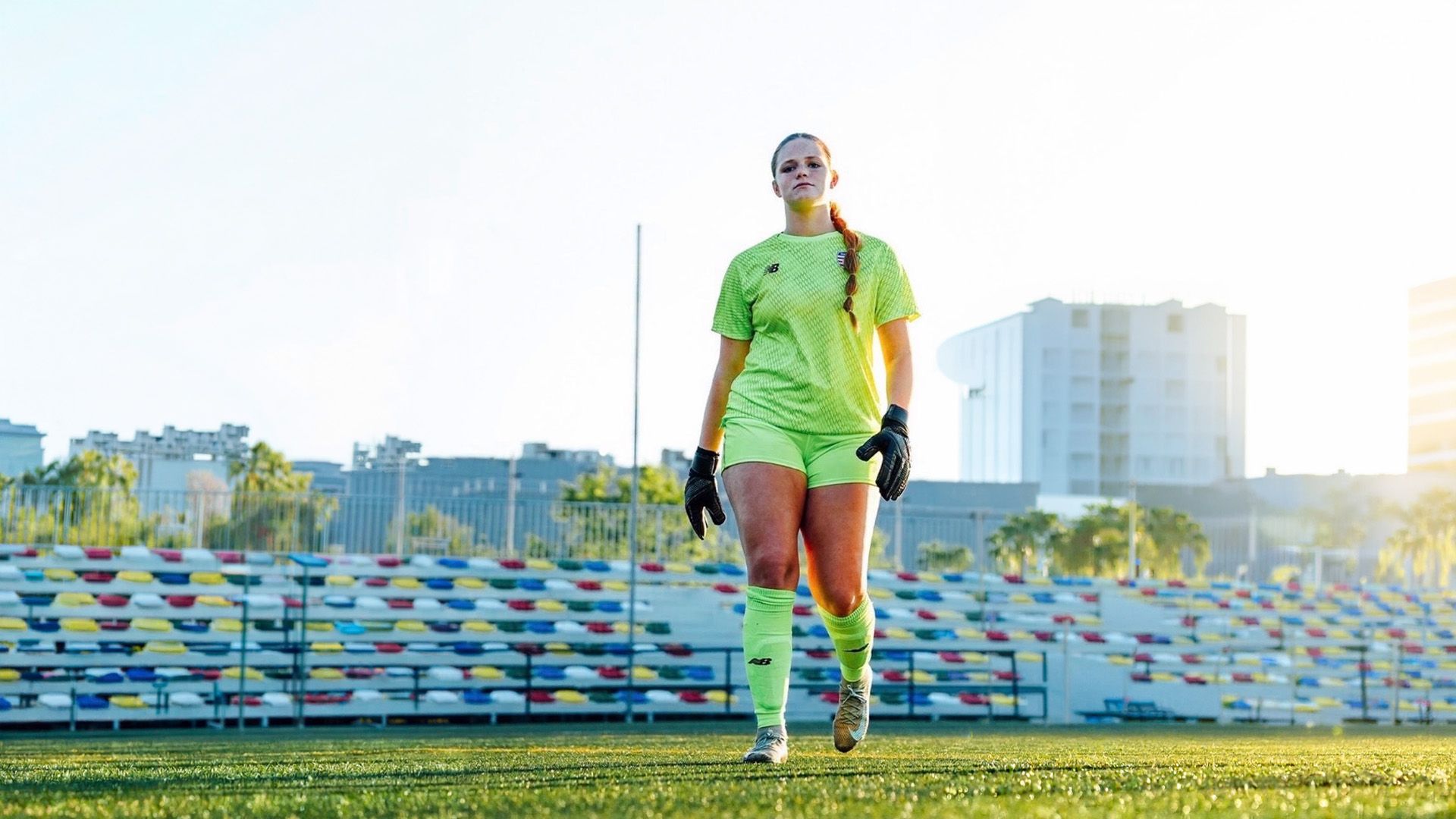
But man, admitting you need to sit out is tough. I have to change my own narrative here. Walking off isn’t quitting. It takes real courage to look at the bench, signal for a sub, and actually trust your teammate to finish the job.
And sure, I can’t control a forward sliding into me at full speed. But I can control how prepared my body is for that impact. Lately, I've been focusing more on proactive injury prevention. For me, this means mastering structural finger and wrist taping to prevent hyperextension before trainings and games. My gloves always have removable finger spines built into them for training or high-traffic matches. I've also spent a lot of time tightening up my diving, focusing on dynamic rolling finishes to disperse the impact across my lat and thigh, rather than taking the brunt of the ground directly on my joints, hips, and elbows.
Look the bottom line is that we play a position that requires us to be a little bit crazy. We throw ourselves at cleats, posts, and hard ground because absolutely nothing beats the feeling of a clean sheet, a fingertip save, or plucking a ball out of the upper ninety.
But if I want to keep doing what I love, I have to stop treating my body like disposable armor. I need to be more honest with myself when I get hurt. It's time to actually follow my own advice, take care of the person so the athlete can keep flying.