If We Know How Difficult It Is, Why Not Work to Do It Well?


Hello, my name is Javier Valdez-Raya. I was born in Mexico City, where I spent the first eight years of my life. Until one day, my mom, being a single mother, decided it was best for us to move to the United States in search of a better life.
So, I pretty much grew up here—Oakland, California, to be exact—where I continued playing soccer. I played with various local clubs growing up, and one that might sound familiar to some is Bay Oaks. That was actually where I had my first-ever goalkeeper-specific practice. From what I remember, that was probably only once a week.
This was leading into my last days of club soccer and eventually into playing college soccer. I spent my college and college soccer days at City College of San Francisco, where I was exposed to a lot of lessons that I still carry with me to this day. Whether those were lessons on the field, outside of it, or my favorite ones—the lessons that you can apply to both soccer and life.
During those college years, I would go back to one of my childhood clubs, known today as Oakland Soccer Club, and help coach and run goalkeeper sessions. Looking back at it now, I was really just teaching what I had been taught. I knew the position from playing it, but I didn’t have much guidance or structure when it came to actually coaching it. And as I’ve gotten older, that’s something I’ve learned to appreciate more: knowing how to play goalkeeper and knowing how to teach the position are two completely different things.
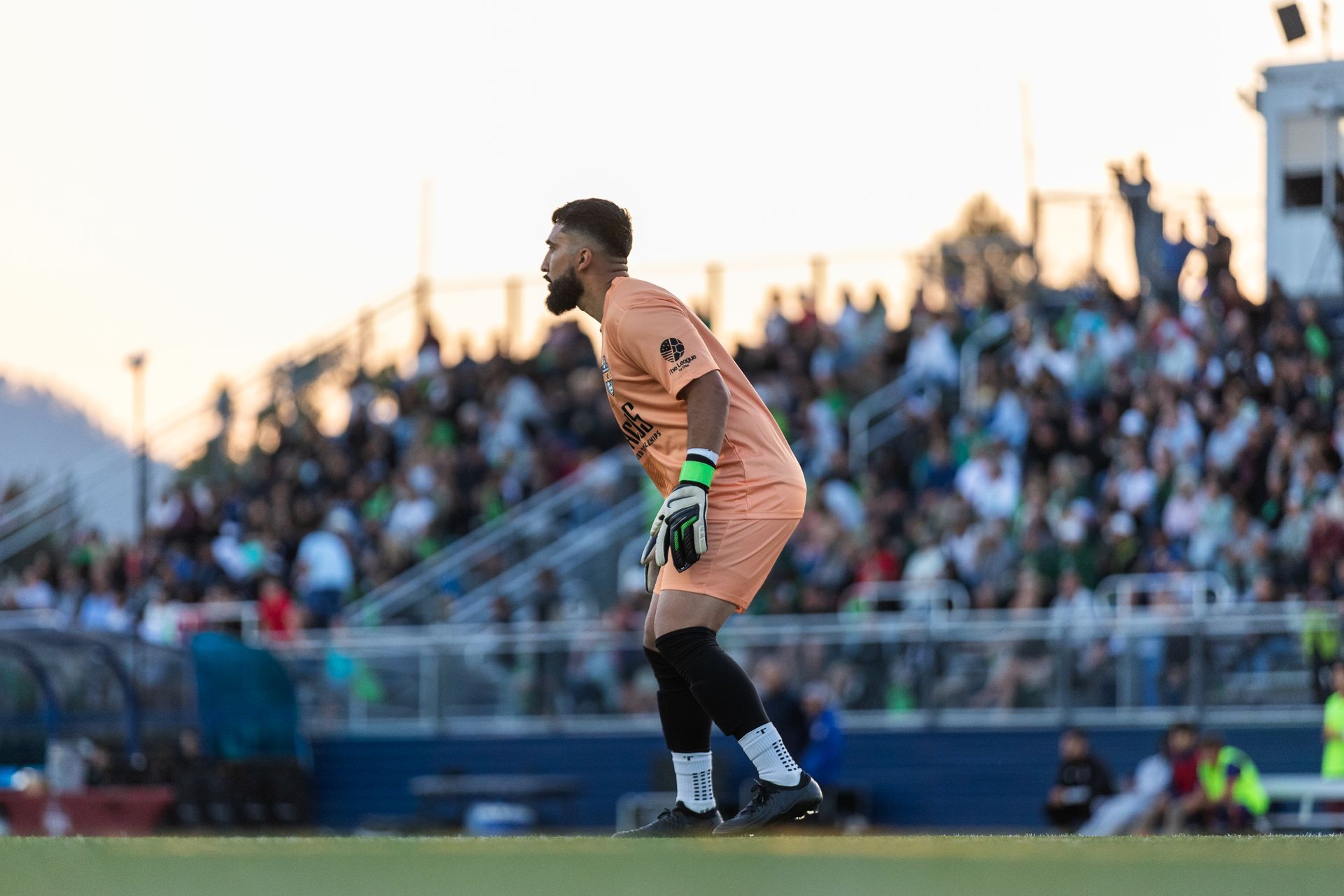
Playing gives you experiences. You feel the pressure, you make the decisions, you make mistakes, and you learn from being in those situations yourself. Coaching requires you to take those experiences, understand why something happened, and then find a way to communicate and teach it to someone else. As I’ve gotten older, I’ve been fortunate enough to gain more experience from both sides of the position. I have years of past playing experience, but I’m also still playing today with Napa Valley 1839. Continuing to play has been important for me because I’m still experiencing the position firsthand. I’m still training, competing, making mistakes, dealing with pressure, making decisions, and most importantly, still learning.
At the same time, I’ve been fortunate enough to have two good friends who are also goalkeeper coaches and have been doing this for longer than I have—Kevin Esquivel and Jesus Rangel. Being around them and learning from them has given me something I didn’t really have when I first started coaching: guidance and structure. They’ve helped me understand that coaching goalkeepers isn’t just about putting together drills or repeating something because that’s how you were taught. There should be a purpose behind what you’re doing. Why are we working on this? What are we trying to improve? When does this situation actually happen in a game? And how is this work preparing the goalkeeper for that moment? Combining that guidance with my own experiences as a goalkeeper has changed the way I look at the position. I’m still playing, still making mistakes, still learning, while at the same time taking those experiences and trying to become a better coach.
And the more I’ve played, coached, watched and learned about goalkeeping, the more I’ve come to appreciate just how demanding this position really is. We all know goalkeeping is a difficult position. From your experience, what makes the position so challenging? For starters, goalkeeping can be a very lonely position.No one other than another goalkeeper truly knows the emotions and thoughts that can go through your head in moments of both defeat and success. It’s not a position for everyone. Not everybody can do it, and those who do choose to step into goal are asked to deal with a lot.
There are the physical demands—the wear and tear the position puts on your body. You might have to make a save, hit the ground, get back up and immediately be ready for a second action, a third action, or even a fourth action, all within seconds of when the ball was first kicked. And while your body is being asked to do all of that, your brain is working at full speed too. You’re constantly making decisions before the action, during the action and after the action. You’re reading what’s in front of you, deciding whether to come or stay, where to position yourself, how to react and what your next action needs to be—all while the game continues moving around you.
Through all of this, there’s one reality every goalkeeper understands: a mistake can cost you a goal, and sometimes it can cost your team the game. That’s just part of the position.So when you really break it down, we’re asking goalkeepers to handle the physical demands of the position, process information and make decisions within seconds, manage the emotions and pressure that come with being the last line of defense, and then be ready to do it all over again on the very next play. If we already know how demanding the position is, why do you think goalkeepers sometimes don’t prepare with the same level of detail that is expected from them in competition?
This actually takes me back to something I mentioned when introducing myself. Growing up, it wasn’t until my later club years at Bay Oaks that I really remember having goalkeeper-specific training, and even then, it was probably only once a week. Shortly after that, I was heading into college soccer. I mentioned that intentionally because I think it’s still one of the problems we see today.From my experience as both a goalkeeper and now a goalkeeper coach, goalkeepers can sometimes get the short end of the stick. Some don’t receive goalkeeper-specific training at all, and for those who do, sometimes the amount of time dedicated to the position simply isn’t enough compared to everything we’re expected to do once the game starts.
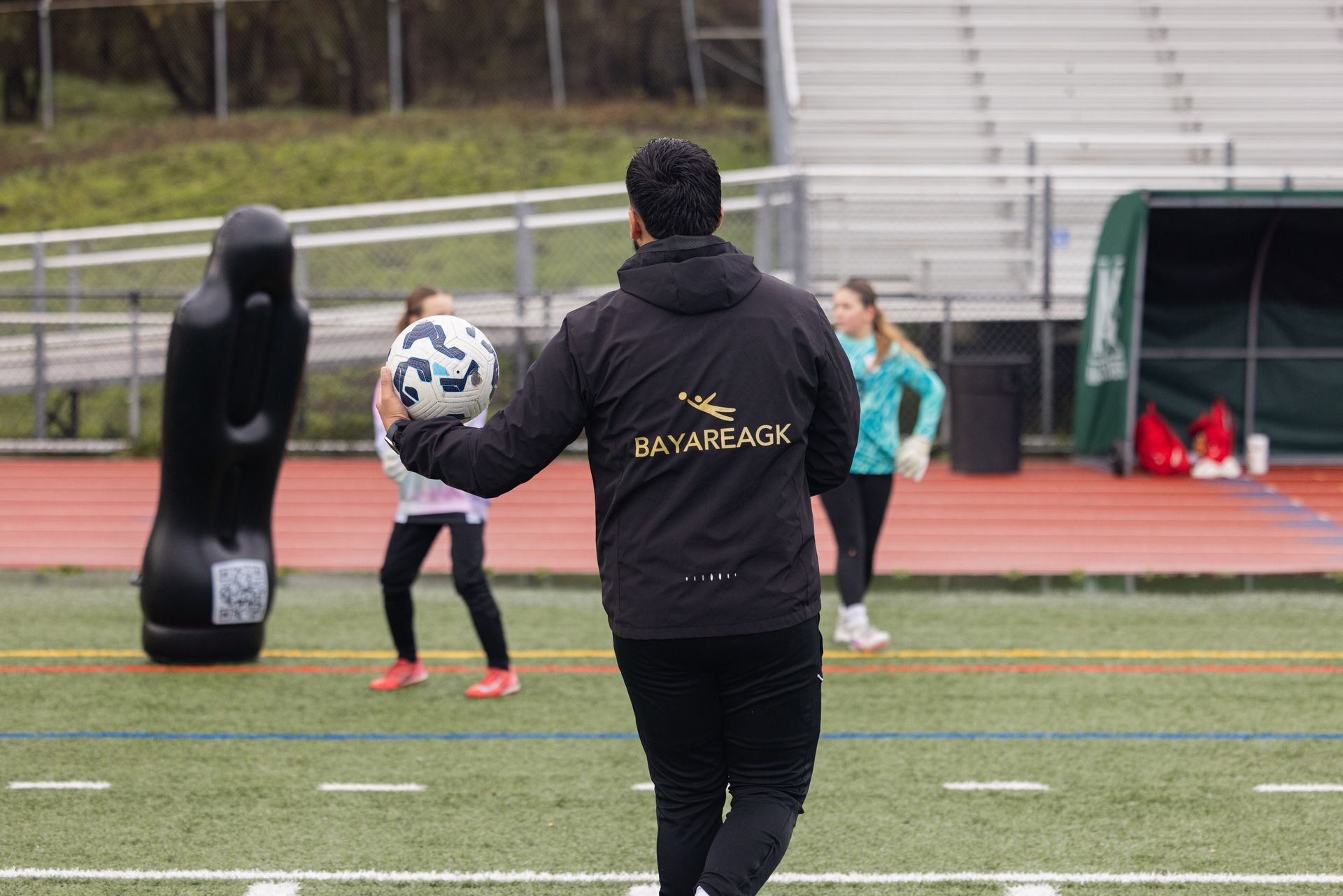
But I also don’t think we can put all of that responsibility on the coach or the environment we’re in.There comes a point where we, as goalkeepers, have to take some ownership too. What does “working to do it well” actually mean to you? Is it simply about training more, or is it also about how we train, how we think, and how well we understand the position?
To me, working to do it well isn’t simply about training more. It’s about having purpose behind the training you’re already doing. Goalkeepers should be asking questions. They should be looking at moments in training and trying to understand them. How does this exercise connect to something I’m going to see in a game? Why am I being asked to use this technique? What information should I be looking for before the action even happens? And when you don’t understand something, that’s when the questions should start.
Another part of working to do it well is the intensity and intention behind your training. Too often, goalkeepers can go through the motions. We perform the exercise, finish the session, leave practice, and then wonder why something doesn’t show up naturally when we’re put into that situation in a game. Training has to stick. The more we perform something correctly and with intention, the more it can become a habit. A habit is something we repeat so often that eventually it becomes almost automatic. That’s why I believe good habits are so important for a goalkeeper.
The game moves too quickly for us to consciously think through every little detail once the action starts. A situation can develop in an instant. But through repetitive, purposeful work, that instant can become a situation you’ve already seen before. Your body recognizes it. Your mind recognizes it . You’re responding to something you’ve prepared for.
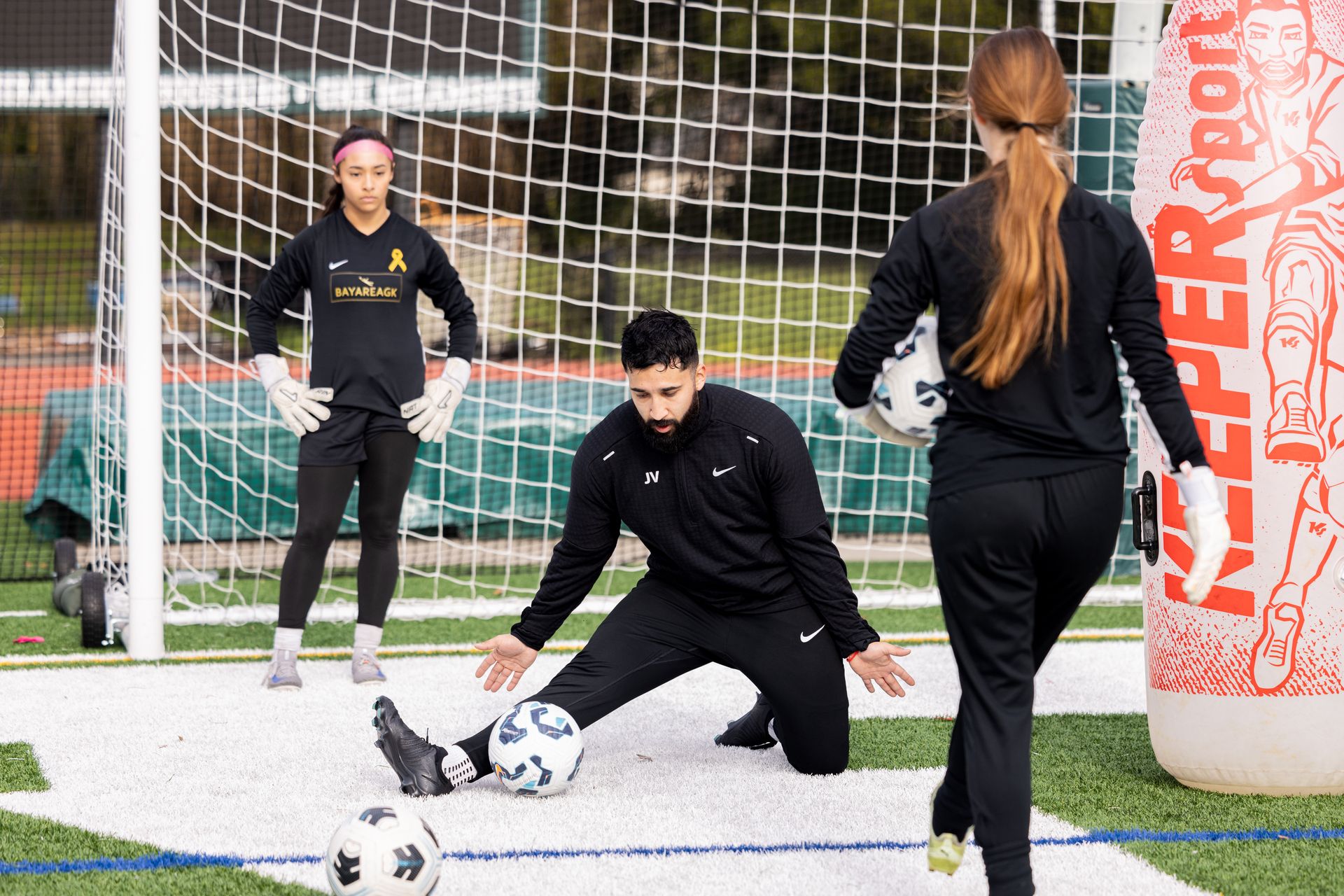
Where does the coach’s responsibility end and the goalkeeper’s responsibility begin? What should a goalkeeper be doing on their own to truly prepare for the demands of the game? I think there has to be responsibility on both sides. As a goalkeeper, you should be willing to ask questions and even challenge your coach—not in a disrespectful way, but in a way that creates conversation. Ask how the training connects to game situations. Give feedback about what you’re seeing and feeling. Try to understand the purpose behind what you’re doing instead of simply doing it because the coach told you to.
As a coach, I also have to understand that I won’t always have every answer. My answer to a situation might work for one goalkeeper and not necessarily work for another. I can give my opinion, provide guidance and suggest a solution based on what I know, but the goalkeeper also has to analyze whether that solution works for them. And if it doesn’t, that’s where I think coaching becomes really valuable.
Now the conversation becomes: How can we work together to find the solution? Maybe it’s a technique that needs adjusting. Maybe it’s the goalkeeper’s decision-making. Maybe it’s how they’re reading a certain situation. Or maybe we need to recreate that moment in training and continue working through it together. To me, that’s where the relationship between goalkeeper and goalkeeper coach becomes more than just one person running a drill and the other person doing it. The coach has a responsibility to teach, challenge, explain and create an environment where the goalkeeper can learn.
But the goalkeeper has a responsibility to think, ask, question, apply and ultimately take ownership of their own development. And taking ownership means understanding that preparation doesn’t start and end when you step onto the field. Showing up ready to perform—whether that’s for a practice or a game—is part of the work too.
Did you eat well? Did you get enough sleep? Have you taken care of your body? Did you do what you could to put yourself in the best possible position to perform in that moment?Those things might not feel like goalkeeper training, but they’re part of being a goalkeeper. Then there’s the work you can do without even stepping onto the field.
Watch film.
Watch your own film, but also watch other goalkeepers. And don’t just watch to see the saves they make. Try to understand what you’re actually looking at. Look at their positioning. Look at the decisions they make before the ball arrives. Look at what happens during the action and what they do immediately after it. Then take those things and apply them to yourself. Maybe you see another goalkeeper handle a situation differently than you would. Try to understand why. Maybe it’s something you can apply to your own game. Maybe you try it and realize it doesn’t work for you.That’s okay too.
Not every answer or solution is going to work for every goalkeeper. The important part is that you’re thinking about the position instead of just playing it. And I think this connects back to something I mentioned when talking about my college soccer days. I said there were lessons from that time that I still carry with me today—lessons that applied not only to soccer, but to life as well.
One of those lessons was: “Failing to prepare is preparing to fail.”
That has stuck with me ever since. And the older I’ve gotten, both as a goalkeeper and as a coach, the more I’ve understood what it actually means. If we already know how difficult and unforgiving this position can be, then preparation can’t be something we take lightly or do halfway. The more intentional and complete our preparation is—on and off the field—the more ready we are for the moments the game will inevitably demand from us.
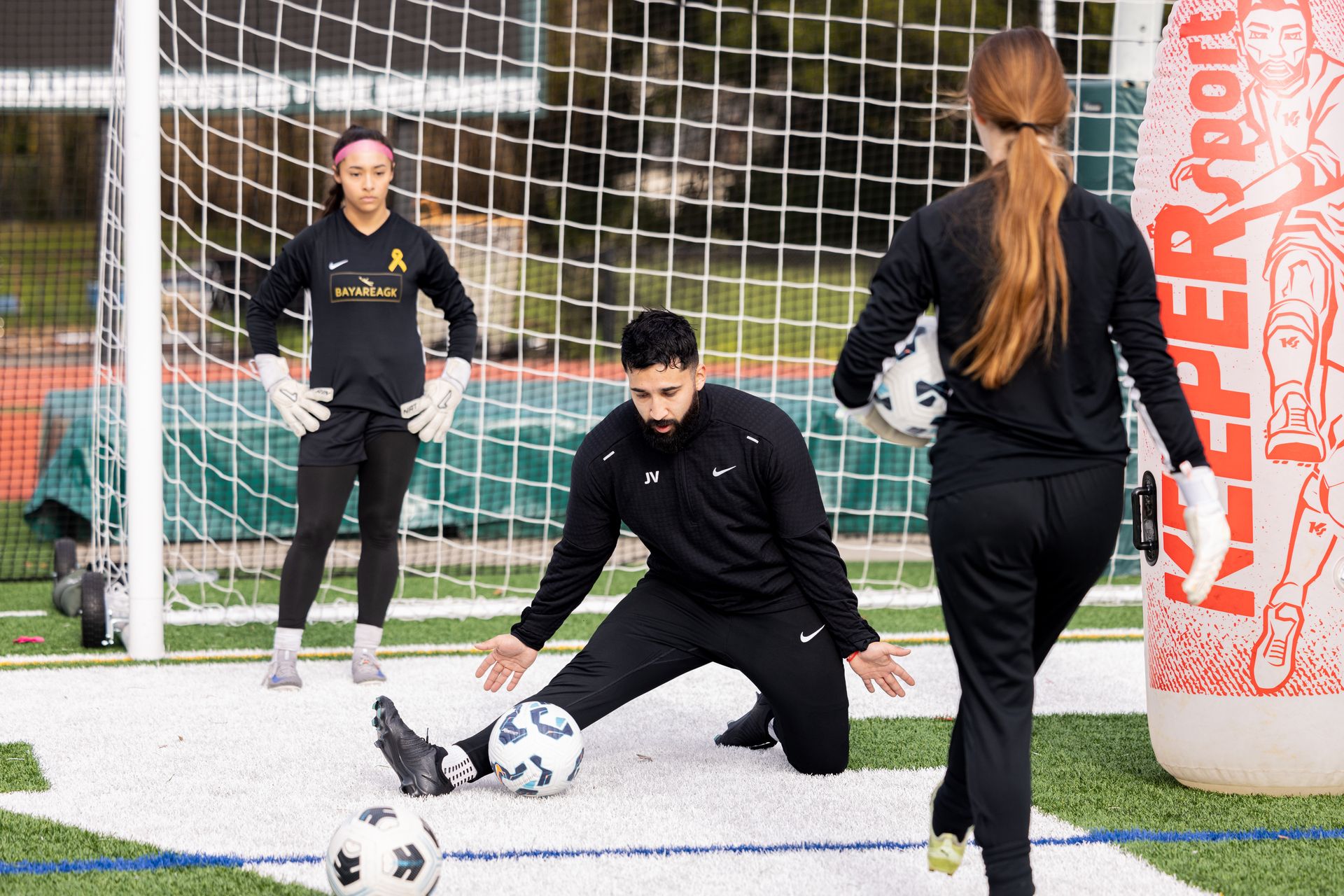
Even with great preparation, mistakes are part of being a goalkeeper. How should knowing that affect the way we train? Should we only prepare to prevent mistakes, or also prepare ourselves to respond when they happen?
We’ve all heard the saying: “Practice makes perfect.” I’ve never completely believed in that. Goalkeeping itself shows us why. You can train, prepare, study the game, take care of your body and build good habits—and you’re still going to make mistakes. There is no perfect goalkeeper.
So for me, it’s not practice makes perfect. It’s: Practice makes improvement. The goal isn’t perfection. The goal is to continue getting better. You can always better your best. And I think that’s an important distinction because if perfection is the expectation, then every mistake feels like failure. But if improvement is the expectation, a mistake becomes something you can learn from.
That doesn’t mean we become comfortable with mistakes or stop holding ourselves accountable for them. We still prepare to prevent them. We still analyze what went wrong. We still work to make sure that when we’re put into that situation again, we’re better prepared for it.
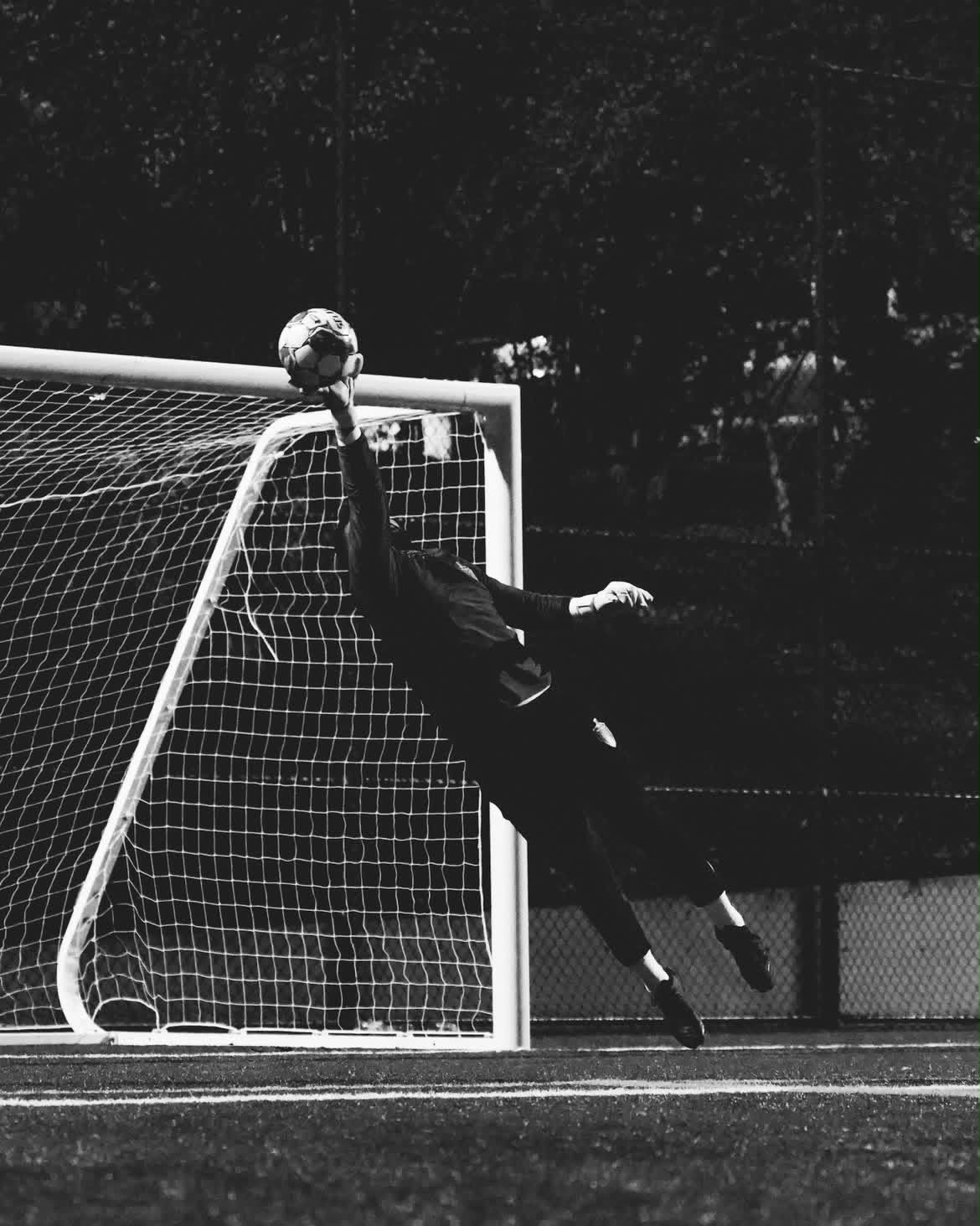
But we also have to prepare for the reality that mistakes will happen. Because you are always bigger than what you do. One mistake doesn’t define you as a goalkeeper, just like one great save doesn’t make you a great goalkeeper. What matters is what you do consistently, how you respond to those moments and whether you’re willing to keep learning from them.
And I think this brings everything back to the original question: If we know how difficult this position is, why not work to do it well? Doing the work isn’t about guaranteeing success. There are no guarantees in goalkeeping. You can prepare the right way, make the right decision and still get scored on. It’s about giving yourself the best possible chance to succeed when the game asks something from you. We know the position is difficult. We know what it demands physically, mentally, technically and emotionally. We know mistakes are going to happen.
So the goal was never to become perfect. The goal is to prepare. To understand what you’re doing and why you’re doing it. To build good habits. To ask questions. To take care of your body. To learn from the people around you. To study the game. To take ownership when nobody is telling you to. And when mistakes happen, learn from them and keep going.