Beyond Inside the 18

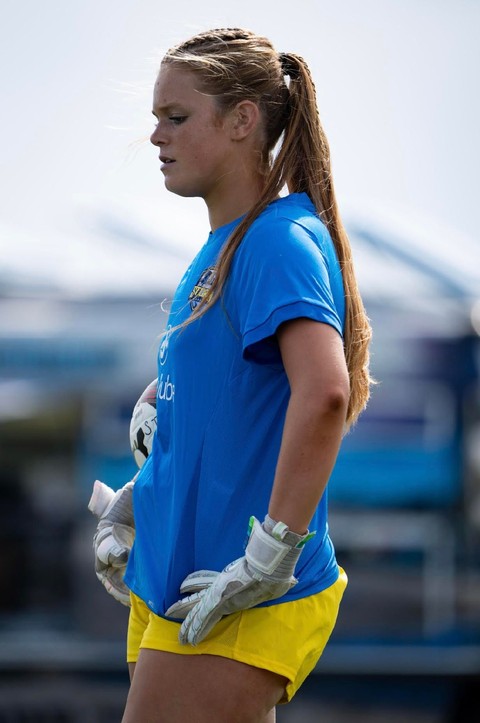
Think bigger, think broader, think beyond the 18. Most people, I feel, think that a goalkeeper's job or role is one-dimensional, and if not an athlete, then simple but brave. Stop the ball, make the save. and don't mess up. If you have never played the position, I understand why it looks that way. I used to think the same thing.
When I started playing the GK position, I fell in love with what felt like a second home, the goal box, my 18. Goalkeeping was about adrenaline and risk. It was about throwing my body into shots, chasing the highlight save, and proving how tough I was. The dirtier I was after training or a match, the better. Mud and grass stains were the evidence that I battled and I belonged.
Back then, my idea of goalkeeping was simple: I made saves. That's the job. Ten years later, I know how small and limited that understanding was. Experience changes perspective and over time, I began to realize that saves are only the most visible part of the GK role. The moment everyone notices, but they're rarely the whole story.
Goalkeeping has depth and layers, complexity. The GK position asks for far more than quick hands, fast reactions, or fearlessness. It requires acute spatial perception and awareness, timing, and decision-making all at once and in a split second. It requires leadership, composure, and the ability to stay locked in even when you haven’t touched the ball in ten minutes. The truth is, goalkeepers influence the game long before the a shot is ever taken.
The goalkeeper's role is physical, mental, and tactical all at once. Physically, goalkeeping is about explosive movement, balance, and efficiency. It's not just diving. It's footwork, recovery steps, and the ability to repeat high-intensity actions. You've got to recover, deal with pressure, and have confidence after a setback (i.e. goldfish mentality). And confidence is not something you want, it's something you need to be successful in the position. In terms of strategy and tactically, goalkeepers are problem solvers. We read patterns and opponents, adjust positioning, manage angles, and make split-second decisions with little time to spare to change the result. We're constantly processing information, even when it looks like we're just standing there. And then there's communication. Organizing defenders, giving clear information, and being a calm presence from the back. A goalkeeper doesn't just play the game, they are helping direct and manage it.
Modern goalkeeping doesn't stop at the goal line either. It doesn't stop at the 18 either. Today's GK is expected to control space outside the box, play with their feet, and act as an extra defender when needed. Decisions made 30 or 40 yards from goal can be just as important as a reaction save on the line. Understanding when to step, when to stay, and when to take risks is part of the role. It's about being prepared, aware, and decisive.
With the role is bigger, the training has to be too. Training that focuses only on saves misses the point. To succeed, goalkeepers need a program that develops the whole player. This includes movement, strength, foot skills, game understanding, and mental resilience.
Preparation is where the real work happens. It's the key in building confidence, and minimizing mistakes. A successful and skilled goalkeeper isn't just reacting; they're anticipating.
For those who have never played the position, it's easy to critique or judge goalkeepers by their mistakes or praise them only for big saves. But so much of the job happens quietly. The positioning that prevents a shot. The communication that stops a breakdown. The decision that never makes the highlight reel. Looking beyond the 18 changes how you see the role.
My definition of goalkeeping has evolved. What once felt like chaos and bravado has become control and awareness. The dirt still matters, but it's no longer the measure of success. Goalkeeping isn't just about making saves. It's about understanding the game, managing moments, and influencing play in ways most people never notice. To really understand the position, you have to think beyond inside the 18.