
Balancing Academics and Athletics


My name is Connor Decatur, and I am a goalkeeper from Menlo Park, California. I am committed to Amherst College, where I will continue both my academic and athletic career starting in Fall 2026. I am currently finishing my youth career with the San Jose Earthquakes Academy and De Anza Force.
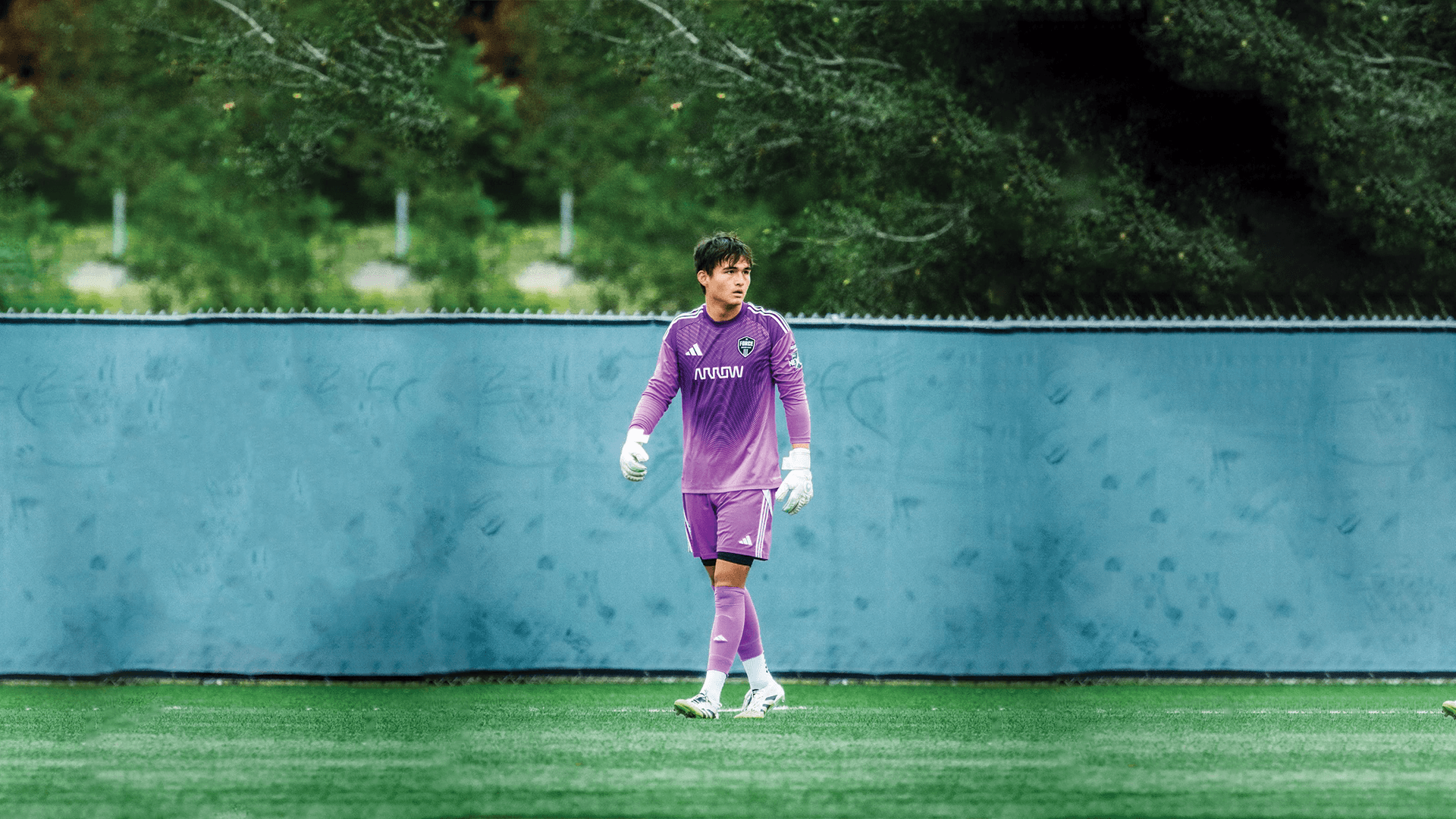
A typical week for me during the school year and MLS NEXT season requires balancing academics, training, recovery, and personal responsibilities. Depending on the day, my classes run either from 8:00 a.m. to 3:00 p.m. or from 11:00 a.m. to 4:00 p.m. In addition to school, I complete strength and conditioning sessions three times per week with my coach, Mitch Taylor, and attend team training every evening from 6:00 p.m. to 8:00 p.m. After training, I usually dedicate time to studying, completing assignments, and helping with household responsibilities before winding down for the night. Matches are typically played on Saturdays, while Sundays are reserved for recovery and rest before the next week begins.
During the offseason, my schedule shifts to focus more heavily on athletic development. I often complete double training sessions and spend additional time in the weight room, while continuing to balance responsibilities at home and work my job at the bakery.
Being a part of my team for the past two seasons has really improved my time management and helped prepare me for college. Balancing the rigors of a professional training environment with the San Jose Earthquakes while staying on top of my schoolwork taught me how to be disciplined with my schedule, the classes I took, and the quality of my work. There were many times when I had to complete assignments or work on projects while traveling for games and showcases, which forced me to plan and use my time efficiently. It also helped me become more proactive in communicating with my teachers and taking ownership of my responsibilities both on and off the field.
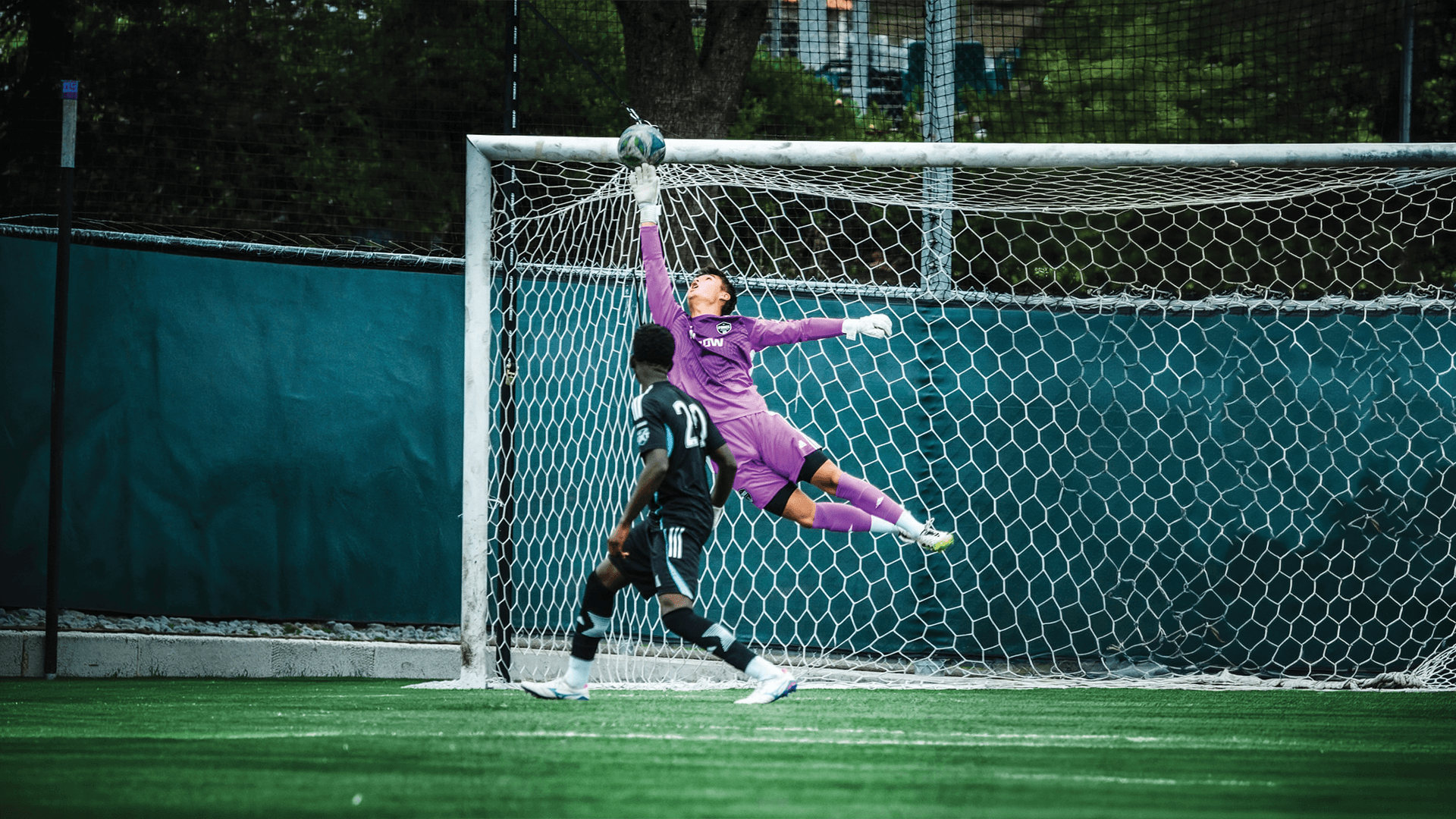
There were many times when I faced burnout or some form of fatigue. These are very normal things, but I learned to manage them through intentional rest and by prioritizing my sleep. I would even recommend that most student-athletes invest in a WHOOP band—not just for the sake of it, but to better understand recovery. It helps you see how much strain you’re putting on your body on and off the field, and then deliberately balance that with quality rest. It sounds simpler than it is, but at least for me, it has gone a long way.
Making time to hang out with your teammates and step away from school and sports also helped me realize that, even though it can feel like everything in the moment, there is more to life than just academics and athletics.
That shift in perspective helped me find more joy in what I do. And yes, there are still days when motivation drops, but I’ve found that discipline has carried me through the most demanding stretches of the environment really well.
It goes without saying that the idea you can’t focus on a quality education while pursuing athletic goals is outdated. In reality, education provides the foundation for anything you choose to do beyond sports. As a student-athlete, your playing career is limited—whether that ends after college or later—but your education lasts much longer than your time on the field.
Beyond just preparing you for a career after sports, education also expands how you understand the world around you. It gives you perspective, helps you think critically, and allows you to engage with ideas and people in a deeper way. That matters both during and after your athletic career.
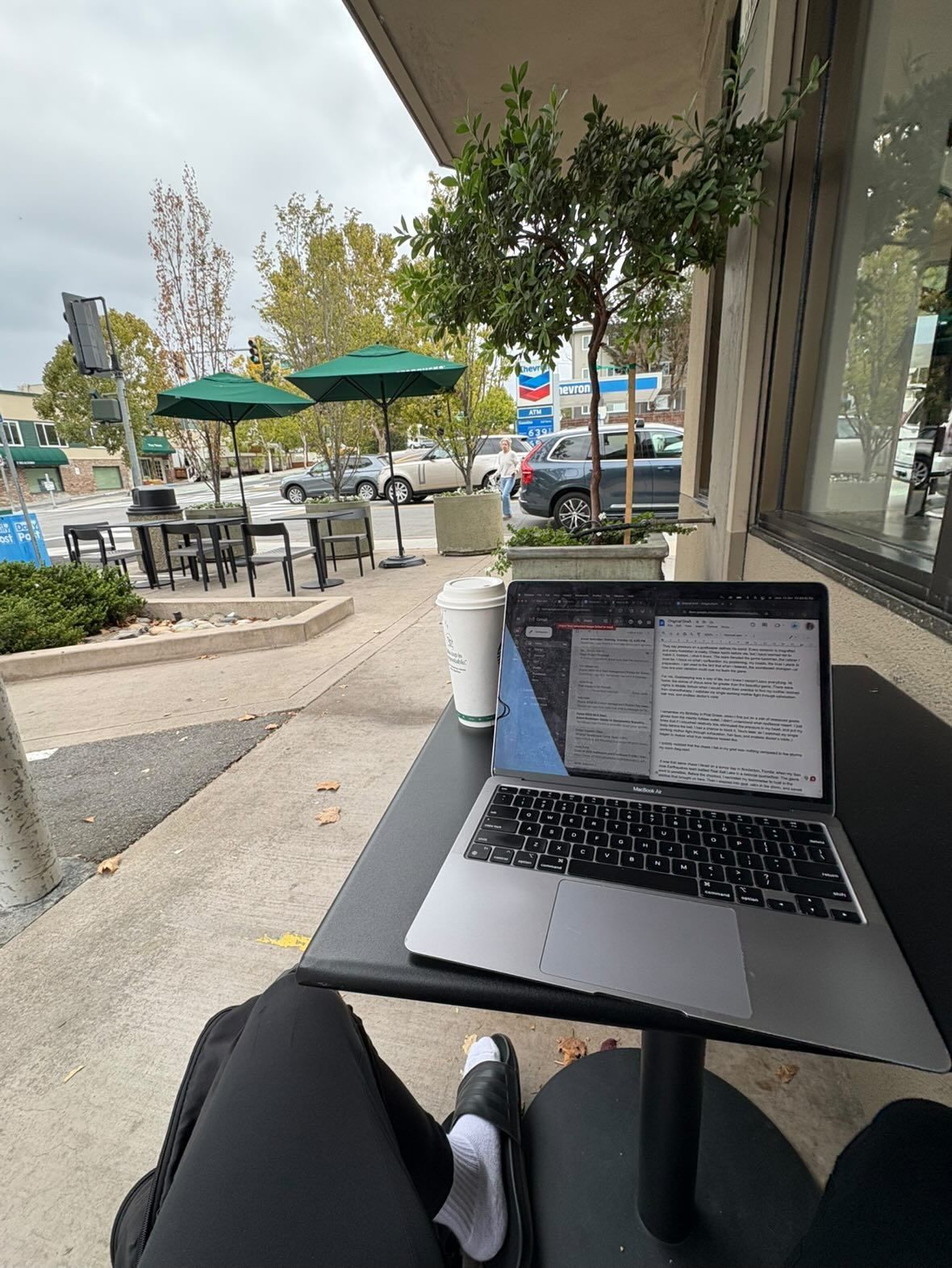
At the end of the day, soccer has been a huge part of my life, but having a strong education ensures that when that chapter ends, I’m still prepared, confident, and able to step into whatever comes next.
Find comfort in the uncomfortable. It’s not always going to feel great to do your assignments, show up to training, and then come back home to do more work. But learning to push through those moments is what really builds you over time.
In the long run, it shapes your discipline and helps you find more joy in the process, because you stop taking the small things for granted. Balancing both school and athletics isn’t about everything feeling easy—it’s about learning how to stay consistent even when it isn’t.
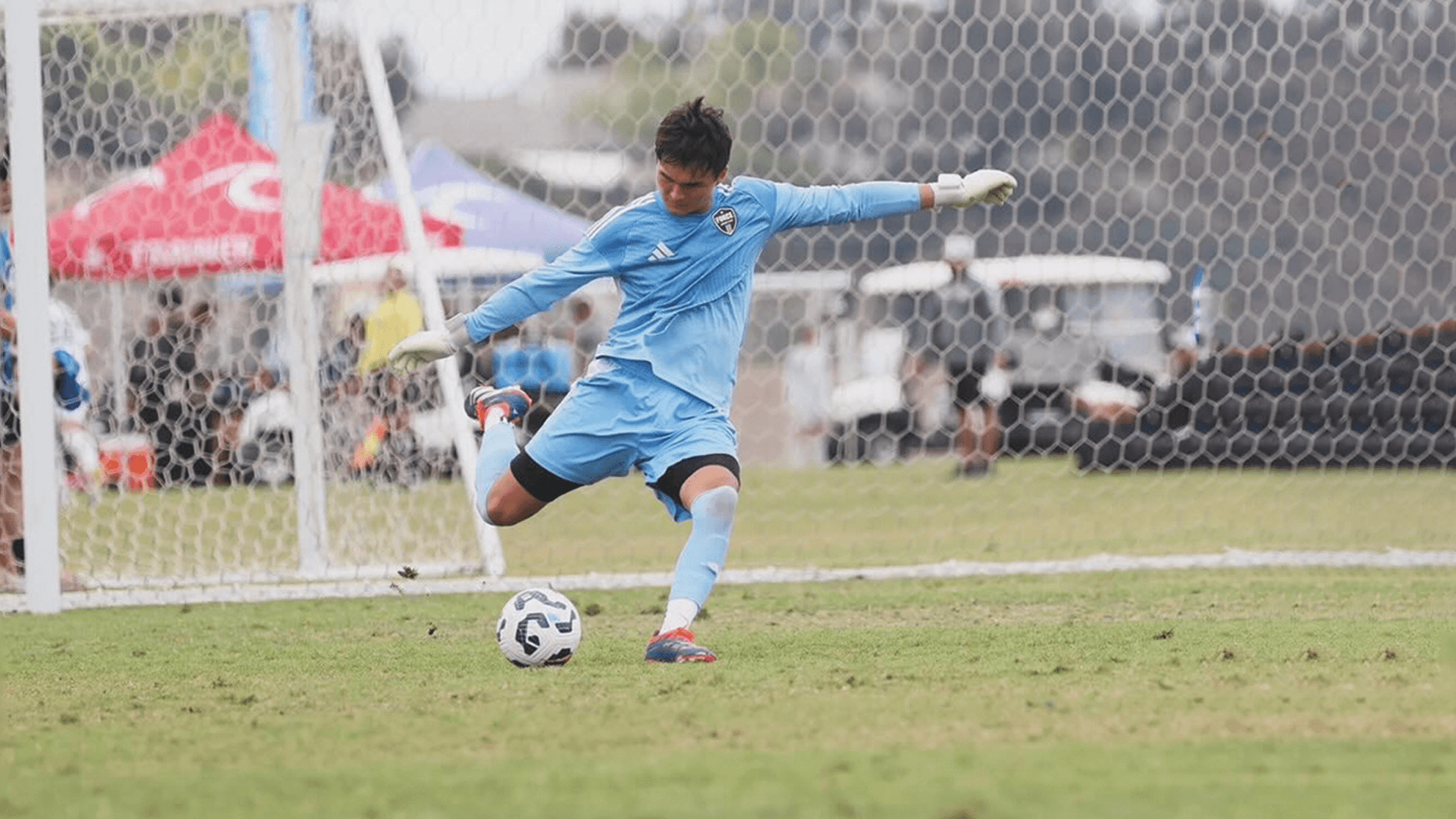
I feel more confident and excited to conquer any type of adversity that comes my way now. That is definitely the beauty of being a student-athlete: you learn that the tough things become easier.